Hospitals Available with this Pilonidal Sinus Treatment


Healing Hands Clinic

Healing Hands Clinic

India, Hyderabad

Super Speciality

Read More

Doctors for Pilonidal Sinus Treatment

  • team-img3

    Dr. Vishwajeet Dhage

    Consultant Proctologist

    Know More >

  • team-img3

    Dr. Pritee Shejwal

    Consultant Proctologist

    Know More >

  • team-img3

    Dr. Zeel Sheth

    Consultant Proctosurgeon & Laparoscopic Surgeon

    Know More >

  • team-img3

    Dr. Manjul Bawa

    Consultant General & Laparoscopic Surgeon

    Know More >

Pilonidal Sinus Treatment

Pilonidal Sinus Treatment

Department: Proctologist

Estimated Cost : $300 - $3000

Pilonidal Sinus: Causes, Symptoms, and Treatment Options

What is a Pilonidal Sinus?

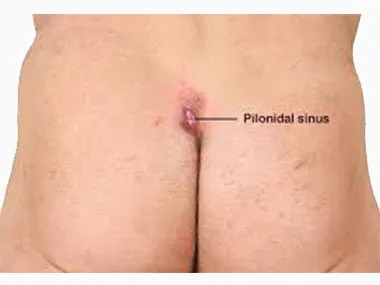
A pilonidal sinus is a small tunnel or tract that forms in the skin, typically near the tailbone (sacrococcygeal region) at the top of the buttocks. It can become infected and filled with pus, leading to the formation of an abscess. Pilonidal sinus disease is more common in young adults, particularly males, and is often associated with excessive hair, poor hygiene, or prolonged sitting.

Causes and Risk Factors

The exact cause of pilonidal sinus disease is not completely understood, but contributing factors include:

  • Ingrown hairs that burrow into the skin
  • Friction or pressure (e.g., from prolonged sitting)
  • Excessive body hair or coarse hair
  • Sweating and poor hygiene
  • Obesity or a sedentary lifestyle
  • Family history of the condition

Common Symptoms

Symptoms can vary based on the stage of the condition. Common signs include:

  • Pain or discomfort near the tailbone, especially when sitting
  • Swelling or redness in the affected area
  • Discharge of pus or blood from a small opening or hole in the skin
  • Foul-smelling drainage
  • Formation of a tender lump (abscess)

Treatment Options

1. Acute Pilonidal Abscess

When a pilonidal sinus becomes infected and forms an abscess, immediate treatment is required to relieve pain and remove the pus.

Surgical Incision and Drainage

  • This is the standard first-line treatment.
  • A small cut is made to drain the pus and relieve pressure.
  • The wound may be left open to heal naturally or packed with dressing.

Note: This procedure treats the infection but does not remove the sinus tract, so recurrence is possible without further treatment.

2. Elective Treatment for Chronic or Recurrent Pilonidal Sinus

When symptoms are persistent or recurrent, elective surgical or non-surgical treatment is considered.

Conservative Management (Non-Surgical)

  • Hair removal: Regular shaving of the sacral area helps reduce the risk of hair becoming embedded in the skin.
  • Hair plucking: Visible hairs trapped in the sinus opening can be manually removed.
  • Hygiene: Maintaining a clean and dry area reduces the chance of infection.

Laser Hair Removal

  • Laser therapy is increasingly used to remove hair permanently from the sacrococcygeal region.
  • It significantly reduces the recurrence rate by preventing hair re-growth in the area.
  • Typically, multiple sessions are needed for optimal results.

Surgical Options

When conservative measures fail or the sinus tract becomes large or complex, surgical excision is recommended. Options include:

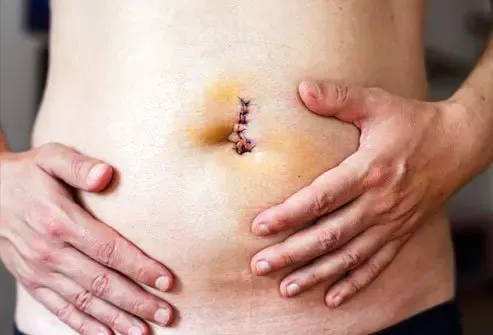
  • Excision with healing by secondary intention: The sinus tract is completely removed and the wound is left open to heal naturally.
  • Excision with primary closure: The tract is removed and the wound is closed with stitches; healing is faster but may have a higher recurrence risk.
  • Flap procedures: Techniques like the Limberg flap or Karydakis flap involve reshaping the surrounding tissue to reduce tension and recurrence.

Post-Treatment and Prevention Tips

To prevent recurrence and ensure proper healing:

  • Keep the area clean and dry.
  • Avoid prolonged sitting.
  • Wear loose-fitting clothes to reduce friction.
  • Maintain a healthy weight.
  • Continue regular hair removal, especially if not undergoing laser treatment.

Conclusion

Pilonidal sinus disease is a manageable condition with a variety of treatment options. While incision and drainage is effective for acute infections, long-term management often involves hair removal, hygiene practices, and in some cases, surgery. Laser hair removal offers a promising, non-invasive method for preventing recurrence and should be considered as part of a comprehensive care plan.

Related Tags
Similar Treatment in Proctologist
info_image Get an Opinion
GET IN TOUCH

Your Journey to Health Starts Here

Reach out to our experts for personalized advice and tailored solutions today.