Prostate Cancer Treatment in India | Types, Cost & Recovery 2026
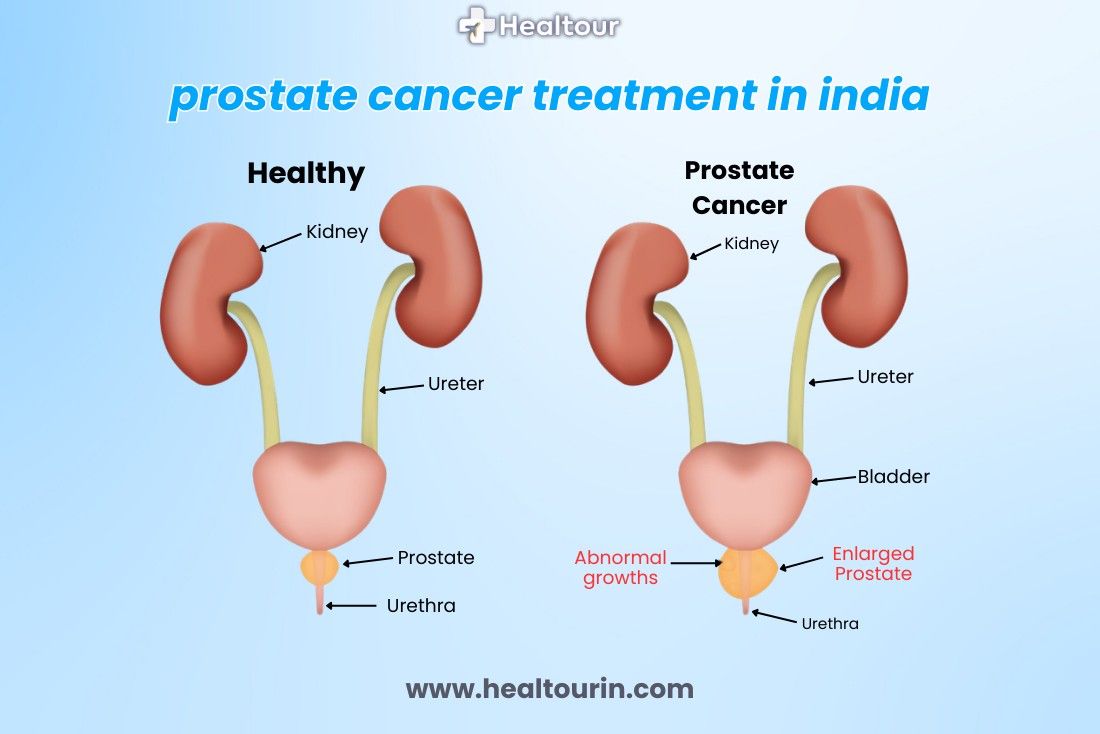
Category: Blog 13-03-2026Prostate cancer is one of the most common cancers in men and usually develops in the prostate gland, which is located below the bladder. In many cases, the disease grows slowly, but early detection and proper treatment are important for better outcomes.
Many patients now choose prostate cancer treatment in India because hospitals offer advanced cancer care, experienced doctors, and modern medical technology. Another reason is the cost of prostate cancer treatment in India, which is often much more affordable compared to many other countries. In this article, you will learn about prostate cancer, its symptoms, causes, diagnosis, treatment options, recovery, and treatment planning in India.
1. What is Prostate Cancer?
Prostate cancer is a type of cancer that begins in the prostate gland. The prostate is part of the male reproductive system and helps produce the fluid that carries sperm during ejaculation.
Prostate cancer usually develops slowly and may remain limited to the prostate gland for many years. In the early stages, it may not cause noticeable symptoms. However, in some cases, the cancer can grow faster and spread to nearby organs or bones.
Early detection is very important because treatment is more effective when the cancer is found at an early stage. Regular medical checkups and screening tests can help identify prostate cancer before it becomes more serious.
With modern medical advancements, many patients can receive effective prostate cancer treatment in India through advanced surgical procedures, radiation therapy, and other oncology treatments.
2. Symptoms of Prostate Cancer:
In the early stages, prostate cancer may not cause any obvious symptoms. Many men discover the condition during routine health checkups or screening tests.
As the cancer grows, certain symptoms may begin to appear. These symptoms can vary depending on the stage of the disease.
Common symptoms of prostate cancer include:
- Difficulty starting urination
- Weak or interrupted urine flow
- Frequent urination, especially at night
- Pain or burning sensation while urinating
- Blood in urine or semen
- Pain in the lower back, hips, or pelvic area
- Unexplained weight loss
- Fatigue or weakness
It is important to remember that these symptoms can also be caused by other prostate conditions, such as prostate enlargement or infection. Therefore, anyone experiencing these symptoms should consult a doctor for proper medical evaluation.
Early detection plays an important role in successful prostate cancer treatment.
3. Causes and Risk Factors of Prostate Cancer:
The exact cause of prostate cancer is not fully understood. However, researchers have identified several factors that may increase the risk of developing the disease.
Age:
Age is the most common risk factor. Prostate cancer is more likely to occur in men over the age of 50.
Family History:
Men who have close family members diagnosed with prostate cancer may have a higher risk of developing the disease.
Genetic Changes:
Certain inherited genetic mutations may increase the chances of prostate cancer.
Lifestyle and Diet:
Unhealthy lifestyle habits such as poor diet, obesity, and lack of physical activity may contribute to the risk.
Hormonal Factors:
Male hormones like testosterone can influence the growth of prostate cancer cells.
While these factors can increase risk, they do not guarantee that a person will develop prostate cancer. Maintaining a healthy lifestyle and undergoing regular medical screening can help reduce risks and support early detection.
4. Diagnosis of Prostate Cancer:
Diagnosing prostate cancer involves several medical tests and examinations. Doctors use these tests to confirm the presence of cancer and determine its stage.
PSA Blood Test:
The prostate-specific antigen (PSA) test measures PSA levels in the blood. High PSA levels may indicate prostate problems, including cancer.
Digital Rectal Examination (DRE):
During this test, a doctor checks the prostate gland through the rectum to detect any lumps or abnormal growth.
Imaging Tests:
Doctors may use imaging scans such as MRI, CT scans, or ultrasound to examine the prostate and surrounding tissues.
Biopsy:
A biopsy is one of the most important diagnostic procedures. Doctors remove a small sample of prostate tissue and examine it under a microscope to check for cancer cells.
These diagnostic tests help doctors understand the stage and severity of prostate cancer so that they can recommend the most suitable treatment plan.
5. Treatment Options for Prostate Cancer:
Treatment for prostate cancer depends on several factors, including the stage of cancer, the patient’s age, and overall health.
Doctors may recommend one or more of the following treatment options.
Surgery (Radical Prostatectomy):
Surgery involves removing the prostate gland and nearby tissues. This procedure is commonly used for early-stage prostate cancer.
Modern surgical techniques, such as robotic-assisted surgery, can help improve precision and reduce recovery time.
Radiation Therapy:
Radiation therapy uses high-energy rays to destroy cancer cells. It can be used as the main treatment or as postoperative therapy to eliminate any remaining cancer cells.
Hormone Therapy:
Hormone therapy reduces the level of male hormones that help prostate cancer grow. This treatment can slow the progression of cancer.
Chemotherapy:
Chemotherapy uses special medicines to kill cancer cells. It is usually recommended when prostate cancer spreads to other parts of the body.
Doctors determine the most appropriate treatment option based on each patient’s medical condition.
6. Cost of Prostate Cancer Treatment in India:
One of the main reasons patients choose prostate cancer treatment in India is affordability. India offers high-quality cancer care at significantly lower costs compared to many Western countries.
The cost of prostate cancer treatment in India generally ranges between $4,000 and $15,000, depending on the treatment type and hospital.
Several factors can influence the total treatment cost:
- Type of treatment procedure
- Hospital facilities and technology
- Doctor’s experience and specialization
- Diagnostic tests and medical investigations
- Length of hospital stay
Despite the lower price, many hospitals in India use modern medical technology and internationally trained specialists.
Below is an estimated cost comparison for common treatments.
| Treatment Type | Estimated Cost in India |
| Radical Prostatectomy (Surgery) | $5,000 – $10,000 |
| Radiation Therapy | $4,000 – $8,000 |
| Hormone Therapy | $3,000 – $6,000 |
| Chemotherapy | $4,000 – $9,000 |
Because of these affordable costs and advanced treatment options, many international patients choose India for cancer care.
7. Recovery After Prostate Cancer Treatment:
Recovery after prostate cancer treatment varies depending on the type of treatment a patient receives. Some patients recover faster, while others may need more time.
Patients who undergo surgery may require several weeks to recover completely. During this time, doctors monitor the healing process and guide safe recovery.
Important aspects of recovery include:
Follow-Up Care:
Regular follow-up visits help doctors monitor recovery and ensure the cancer has not returned.
Healthy Lifestyle:
Maintaining a healthy diet and regular physical activity can support recovery and overall health.
Pelvic Floor Exercises:
These exercises help improve bladder control after prostate surgery.
Emotional Support:
Cancer treatment can be emotionally challenging, so support from family, friends, and healthcare professionals is very important.
With proper care and medical supervision, many patients can return to normal activities after recovery.
8. Planning Treatment in India with Healtour:
International patients who want prostate cancer treatment in India can plan their medical journey with the help of Healtour. The platform helps patients connect with suitable hospitals and manage their treatment process smoothly.
Healtour assists with treatment planning, hospital coordination, medical visa support, travel arrangements, and accommodation. This allows patients to focus on their treatment and recovery while logistical arrangements are handled efficiently.
9. Conclusion:
Prostate cancer is a serious health condition, but early diagnosis and proper treatment can significantly improve outcomes. Understanding the symptoms, risk factors, diagnosis methods, and available treatment options helps patients make informed healthcare decisions.
India has become a preferred destination for prostate cancer care because it offers modern hospitals, experienced oncologists, and affordable treatment options. With timely diagnosis and appropriate medical care, many patients can successfully manage prostate cancer and maintain a good quality of life.
10. FAQs On Prostate Cancer Treatment in India:
1. What is prostate cancer?
Prostate cancer occurs when abnormal cells grow in the prostate gland. It is one of the most common cancers affecting men worldwide.
2. What are the early symptoms of prostate cancer?
Early symptoms may include difficulty urinating, weak urine flow, frequent urination, or blood in the urine.
3. Who is at risk of prostate cancer?
Men over the age of 50, those with a family history of prostate cancer, and individuals with unhealthy lifestyles may have a higher risk.
4. How is prostate cancer diagnosed?
Doctors diagnose prostate cancer using PSA blood tests, digital rectal examinations, imaging scans, and biopsies.
5. What are the treatment options for prostate cancer?
Common treatments include surgery, radiation therapy, hormone therapy, and chemotherapy.
6. What is the cost of prostate cancer treatment in India?
The cost of prostate cancer treatment in India usually ranges from $4,000 to $15,000, depending on the treatment type and hospital.
7. Is prostate cancer curable?
If detected early, prostate cancer can often be treated successfully with appropriate medical care.
8. How long does recovery take after treatment?
Recovery time depends on the treatment method, but many patients recover within several weeks to months.
9. Why do international patients choose prostate cancer treatment in India?
Patients choose India because of advanced medical technology, experienced doctors, and affordable treatment costs.
10. How can international patients plan treatment in India?
Patients can plan their treatment journey through services like Healtour, which assist with hospital coordination, travel, and accommodation.



 Get an Opinion