Bone Marrow Transplant in India | Procedure, Types & Cost
Category: Blog 03-02-2026A bone marrow transplant (BMT) is a critical and often life-saving medical procedure used to treat various serious blood-related diseases, cancers, and immune disorders. Over the years, India has become one of the most preferred destinations for bone marrow transplant, especially for international patients seeking high-quality treatment at an affordable cost.
This guide explains everything you need to know about bone marrow transplant in India — from what it is and who needs it, to the types of transplant, procedure steps, recovery, risks, and cost. The information is written in simple, easy-to-understand language to help patients and families make informed decisions.
What Is Bone Marrow Transplant?
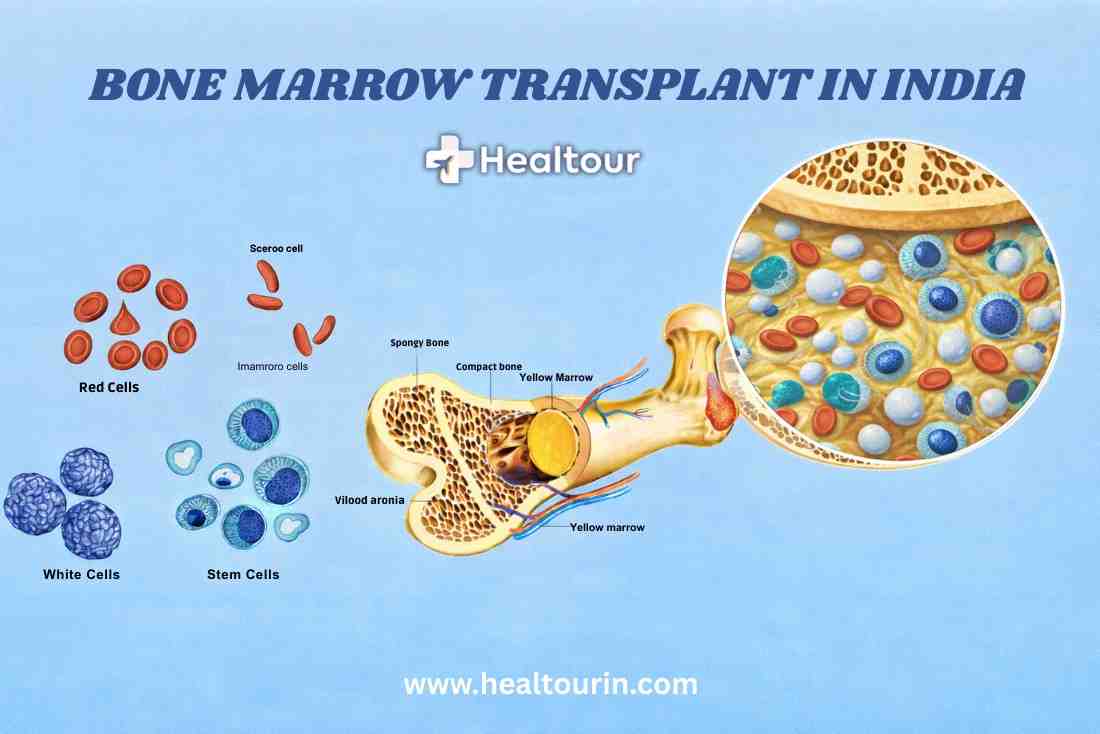
Bone marrow is the soft, spongy tissue inside certain bones that produces blood-forming stem cells. These stem cells develop into:
- Red blood cells (carry oxygen)
- White blood cells (fight infections)
- Platelets (help blood clot)
When bone marrow is damaged by disease or aggressive treatments such as chemotherapy or radiation, it may stop producing healthy blood cells. A bone marrow transplant replaces the damaged marrow with healthy stem cells, helping the body restart normal blood cell production.
Today, the procedure is also called a stem cell transplant, but the purpose remains the same — restoring healthy bone marrow function.
Why is a bone marrow transplant needed?
Bone marrow transplant is recommended when standard treatments are not effective or when the bone marrow itself is affected by disease.
Conditions Treated With Bone Marrow Transplant
Bone marrow transplant is commonly used to treat:
- Blood cancers
- Leukemia
- Lymphoma
- Multiple myeloma
- Bone marrow disorders
- Aplastic anemia
- Myelodysplastic syndromes
- Genetic blood diseases
- Thalassemia
- Sickle cell anemia
- Immune system disorders
- Certain high-risk or relapsed cancers
In many cases, patients require high-dose chemotherapy or radiation, which destroys unhealthy cells but also damages the bone marrow. A transplant becomes necessary to rebuild the blood-forming system.
Types of Bone Marrow Transplant:
The type of bone marrow transplant depends on the patient’s condition, age, overall health, and donor availability.
1. Autologous Bone Marrow Transplant
In this type, the patient’s own stem cells are collected and stored before treatment. After high-dose chemotherapy, these stem cells are infused back into the patient.
Commonly used for:
- Multiple myeloma
- Lymphoma
Key benefits:
- Lower risk of rejection
- Faster recovery
- Lower cost compared to donor transplants
2. Allogeneic Bone Marrow Transplant
In an allogeneic transplant, stem cells are taken from a matched donor, usually a sibling or a closely matched relative.
Commonly used for:
- Leukemia
- Severe aplastic anemia
- Genetic blood disorders
This type requires careful matching to reduce the risk of complications.
3. Haploidentical Bone Marrow Transplant
A haploidentical transplant uses stem cells from a half-matched donor, such as a parent or child. This option is helpful when a fully matched donor is not available.
Advances in medical techniques have made this transplant safer and more successful.
4. Umbilical Cord Blood Transplant
Stem cells are taken from stored umbilical cord blood. This type is mostly used for children or patients who cannot find a suitable adult donor.
Bone Marrow Transplant Procedure: Step-by-Step:
A bone marrow transplant is a multi-stage process that takes several weeks. It requires careful planning, monitoring, and follow-up.
Step 1: Pre-Transplant Evaluation
Before the transplant, doctors conduct a detailed evaluation that includes:
- Blood tests
- Bone marrow biopsy
- Heart, lung, liver, and kidney tests
- Infection screening
This helps determine whether the patient is fit for the procedure and identifies the best transplant approach.
Step 2: Conditioning Therapy
Conditioning therapy involves:
- High-dose chemotherapy
- Sometimes radiation therapy
Purpose of conditioning:
- Destroy diseased bone marrow
- Kill remaining cancer cells
- Suppress the immune system to accept new stem cells
Step 3: Stem Cell Infusion (Transplant Day)
Healthy stem cells are infused into the patient’s bloodstream through a vein, similar to a blood transfusion. The procedure is painless and usually completed within a few hours.
This day is often called Day Zero.
Step 4: Engraftment and Recovery
After infusion, stem cells travel to the bone marrow and begin producing new blood cells. This process is called engraftment and usually takes 2 to 4 weeks.
During this time:
- Patients are closely monitored
- Infection prevention is critical
- Blood counts are checked regularly
Step 5: Post-Transplant Care
After discharge, patients need:
- Regular follow-up visits
- Medications to prevent infections and rejection
- Blood tests to monitor recovery
Full recovery may take 6 to 12 months, depending on the transplant type and patient condition.
Cost of Bone Marrow Transplant in India:
India is known globally for offering advanced bone marrow transplant treatment at significantly lower costs compared to many other countries.
Approximate Bone Marrow Transplant Cost in India
| Type of Transplant | Cost Range (USD) |
| Autologous BMT | $15,000 – $25,000 |
| Allogeneic BMT | $25,000 – $40,000 |
| Haploidentical BMT | $35,000 – $55,000 |
Note: Costs may vary depending on individual medical needs and treatment duration.
Factors Affecting Cost of Bone Marrow Transplant in India:
The final cost of treatment depends on several factors, including:
- Type of transplant
- Donor matching and testing
- Patient’s diagnosis and health condition
- Length of hospital stay
- Medicines and blood products
- Post-transplant complications, if any
Success Rate of Bone Marrow Transplant in India:
Success rates depend on the disease type, stage, donor match, and post-transplant care.
- Autologous transplant: 70–90%
- Allogeneic transplant: 60–80%
Early diagnosis and proper follow-up care improve long-term outcomes.
Risks and Complications:
While a bone marrow transplant is highly effective, it may involve risks such as:
- Infections
- Graft-versus-host disease (GVHD)
- Organ-related side effects
- Fatigue and weakness
With modern medical care and monitoring, many risks can be managed successfully.
Life After Bone Marrow Transplant:
Recovery after a bone marrow transplant is gradual. Patients are advised to:
- Avoid crowded places initially
- Follow a balanced, hygienic diet
- Take medications regularly
- Attend all follow-up appointments
Most patients can return to normal daily activities within a few months.
How Healtour Helps Patients Seeking Bone Marrow Transplant in India:
Healtour assists international patients by providing treatment guidance, transparent cost estimates, hospital coordination, medical visa support, travel arrangements, and post-treatment follow-up. The aim is to ensure a smooth, well-organized, and stress-free treatment journey for patients and their families. Throughout the treatment in India.
Conclusion:
Bone marrow transplant is a complex yet life-saving treatment for many serious blood disorders and cancers. India has established itself as a reliable destination for this procedure due to its advanced medical expertise, high success rates, and affordable treatment costs. With proper planning, expert care, and the right support system, patients can achieve successful outcomes and improved quality of life.
Frequently Asked Questions (FAQs):
1. What is a bone marrow transplant?
It is a procedure that replaces damaged bone marrow with healthy stem cells to restore blood cell production.
2. Who needs a bone marrow transplant?
Patients with blood cancers, bone marrow disorders, genetic blood diseases, or immune conditions may need it.
3. What are the main types of bone marrow transplant?
The main types are autologous, allogeneic, haploidentical, and cord blood transplant.
4. How much does a bone marrow transplant cost in India?
The cost generally ranges from USD 15,000 to USD 55,000, depending on the transplant type.
5. Why do foreign patients choose India for bone marrow transplant?
India offers advanced care, experienced specialists, and significantly lower treatment costs.
6. How long does bone marrow transplant treatment take?
The hospital stay usually lasts 4–6 weeks, including recovery and monitoring.
7. Is bone marrow transplant safe in India?
Yes, it is performed following international medical standards and protocols.
8. How long does recovery take after a bone marrow transplant?
Initial recovery takes weeks, while full recovery may take 6 to 12 months.
9. What is the success rate of bone marrow transplant?
Success rates typically range from 60% to 90%, depending on the condition and transplant type.
10. Can international patients get medical visa support for treatment in India?
Yes, medical visa assistance is available for patients traveling to India for treatment.


 Get an Opinion