Upper GI Endoscopy and Colonoscopy
What is an Upper GI Endoscopy?
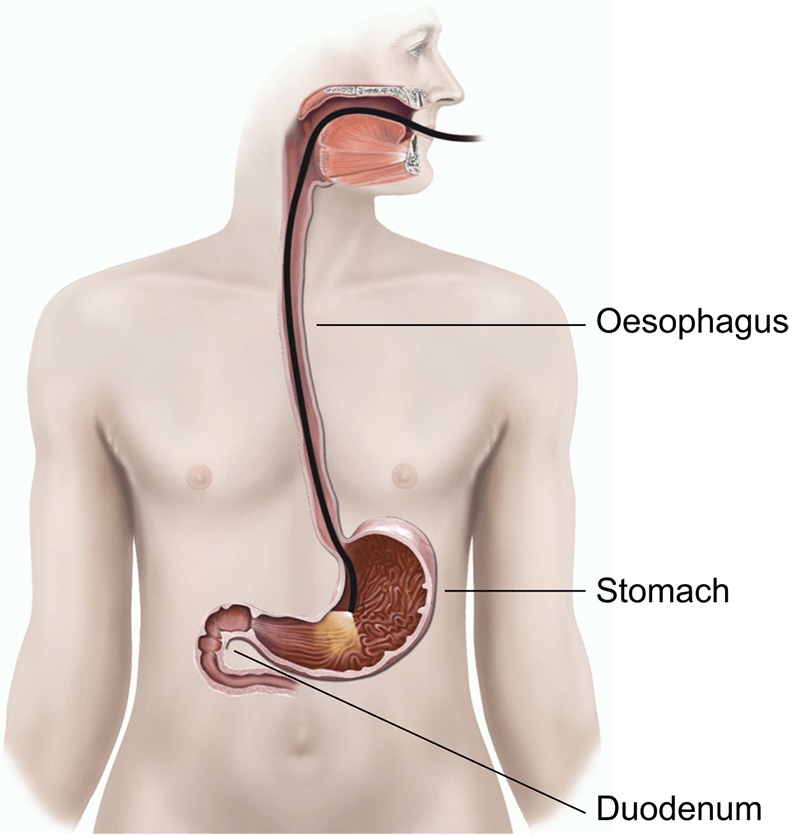
An Upper GI Endoscopy is a medical procedure that allows a doctor to examine the inside of your esophagus (gullet), stomach, and duodenum using a flexible telescope called an endoscope.
What is a Colonoscopy?
A Colonoscopy is a procedure that allows a doctor to examine the inside of your large bowel (colon) using a flexible telescope called a colonoscope.
Benefits of an Upper GI Endoscopy and Colonoscopy
- Helps diagnose problems in the digestive system.
- Allows the doctor to perform biopsies (take small samples of tissue).
- Polyps (small growths) may be found and removed during the procedure.
- Helps detect inflammation, ulcers, or tumors at an early stage.
Are There Any Alternatives?
Upper GI Endoscopy Alternative:
- Barium Meal – An X-ray test of your upper digestive system.
Colonoscopy Alternatives:
- CT Colonography – A CT scan of your large bowel.
- Stool tests may be used in some cases.
What Does the Procedure Involve?
The entire procedure usually takes about one hour.
You may be offered a sedative or painkiller to help you relax and feel more comfortable.
During an Upper GI Endoscopy:
- A thin, flexible tube is passed through your mouth and throat into the stomach and duodenum.
During a Colonoscopy:
- A flexible telescope is inserted through your back passage (rectum) into the large bowel.
- Air is introduced to expand the bowel for a clearer view.
In both procedures, the doctor can:
- Look for signs of inflammation, ulcers, or polyps.
- Take biopsies for further testing.
- Remove polyps, if found.
Possible Complications
Although complications are rare, some can be serious or life-threatening:
- Sore throat
- Breathing difficulties or irregular heartbeat
- Heart attack or stroke (especially in those with serious medical conditions)
- Allergic reactions
- Infection
- Blurred vision
- Perforation (a hole in the esophagus, stomach, duodenum, or colon)
- Damage to teeth or bridgework
- Bleeding from a biopsy site or from polyp removal
- Missed polyps
- Incomplete examination
- Death (very rare)
After the Procedure
- If you received a sedative, recovery usually takes about 2 hours, depending on the dosage.
- You may feel bloated for a few hours, which is normal and will pass.
- Most patients can return to work the next day, unless otherwise advised.
- The healthcare team will:
- Share the results with you.
- Discuss any follow-up care or treatments needed.
Note: Regular exercise improves long-term health. Always consult your healthcare provider before starting any new physical activity.





 Chat with us


 Get an Opinion